


.jpg)
Across India, it’s common to hear people use the words "soft drink," "soda," or "cold drink" when asking for something fizzy and chilled. The terms are often used interchangeably, and most people understand them in context. But technically, they’re not the same thing.
While the lines can blur in language, the drinks themselves are quite different. Each one has its own taste, purpose, and place in the way people enjoy beverages in India.
At Hindustan Coca-Cola Beverages (HCCB), both soft drinks and soda water are part of our portfolio. These drinks serve different needs, reflect different habits, and continue to evolve as people across India refresh, unwind, and share moments at home, in restaurants, or during celebrations.
What Is a Soft Drink?
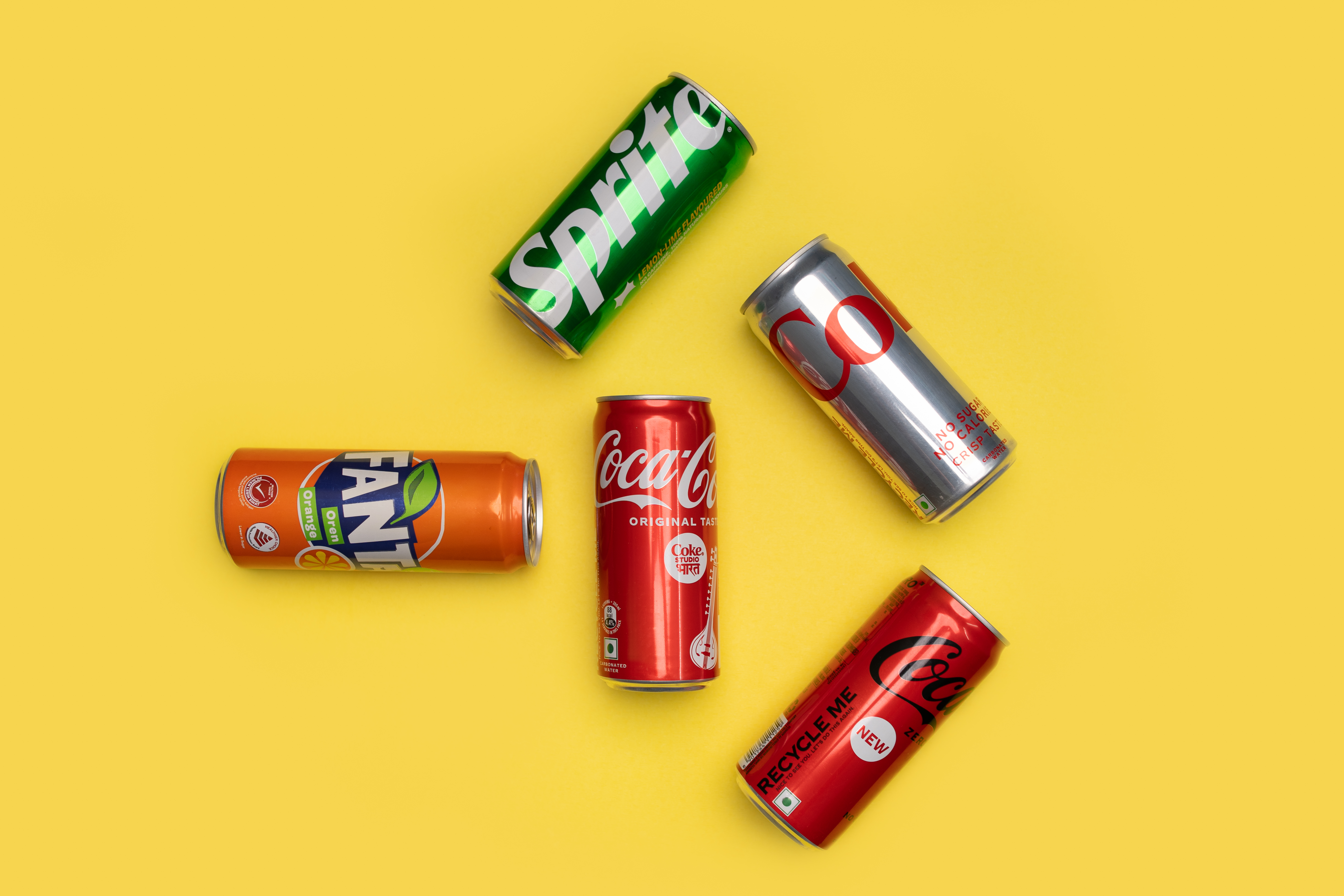
A soft drink is a carbonated, non-alcoholic beverage, typically flavoured and sweetened. The term "soft" refers to the absence of alcohol, distinguishing these drinks from "hard" beverages.
Soft drinks are available in a wide range of flavours, cola, lemon-lime, orange, and more. Some also contain caffeine. Most are consumed directly, straight from the bottle or can, without needing to be mixed with anything else.
Common characteristics:
- Flavoured (cola, citrus, fruit-based, or spice blends)
- Sweetened with sugar or zero-calorie sweeteners
- Meant to be consumed cold
- Often part of social occasions, meals, and everyday refreshment
Some soft drink examples:
- Coca-Cola
- Thums Up
- Sprite
- Fanta
- Limca
What Is Soda?
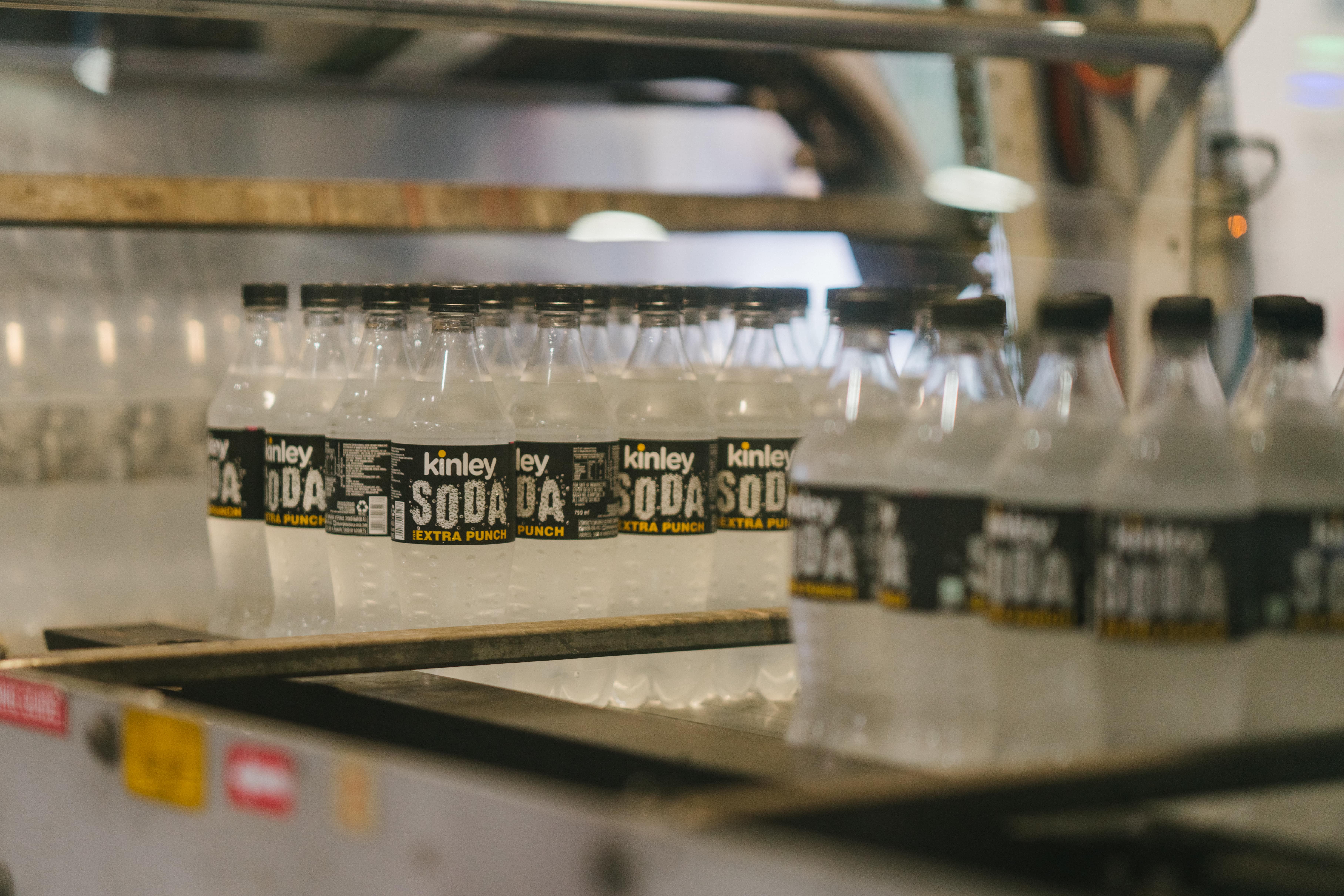
In India, when someone says “soda,” they usually mean plain soda water, also known as club soda. It’s water that has been carbonated using pressurised carbon dioxide. Unlike soft drinks, soda typically has no added sugar or flavour, although some brands may include a small amount of salt or minerals to enhance taste.
Soda is not usually consumed for its flavour. It’s valued for its fizz, lightness, and ability to cleanse the palate or aid digestion. In bars, cafés, and homes, it’s often used as a mixer for mocktails and other beverages.
Common characteristics:
- Flavoured (cola, citrus, fruit-based, or spice blends)
- Sweetened with sugar or zero-calorie sweeteners
- Meant to be consumed cold
- Often part of social occasions, meals, and everyday refreshment
Common examples:
- Kinley Soda
- Schweppes Club Soda
Key Differences Between Soft Drinks and Soda
To make it easier to distinguish, here’s a simple breakdown:
Category | Soft Drink | Soda (Club Soda) |
Flavour | Sweet, flavoured (cola, lemon, etc.) | Neutral or lightly salty |
Sugar | Contains sugar or sweeteners | No sugar or sweeteners |
Consumption | Drunk directly | Often mixed or consumed for digestion |
Purpose | Everyday refreshment | Light refreshment or beverage mixer |
Packaging | PET, cans, glass in many sizes | Usually PET or glass bottles |
Audience | All age groups | More common among adults |
Why the Soft Drink Vs Soda Confusion Happens
The overlap in terms often comes from regional habits. In many parts of India, "cold drink" is a blanket term used for any chilled, fizzy beverage. In other places, "soda" is used loosely for all carbonated drinks, including soft drinks.
This variation is shaped by language, local preferences, and how products are marketed and sold over time. While people may understand what they’re asking for, knowing the technical difference makes it easier to choose based on flavour, use, or occasion.
A Short History of Soft Drinks and Soda in India
Carbonated drinks have had a long presence in India. Local soda bottlers were active in the country as early as the early 20th century, serving drinks in Codd-neck bottles sealed with a marble. These drinks, often flavoured with lemon or masala, became a familiar sight at local stalls, college canteens, and railway stations.
By the 1980s, the presence of bottled soft drinks began to grow more visible. Changes in packaging, distribution, and refrigeration allowed more people to access flavoured carbonated beverages, not just during the summer, but all year round.
In the 1990s, large-scale bottling operations and stronger retail networks helped expand access across regions.
Since 1997, Hindustan Coca-Cola Beverages (HCCB) has played a key role in that growth. Today, both soft drinks and soda water are part of our beverage portfolio, manufactured across HCCB-owned facilities and made available in stores, restaurants, kiranas, online platforms, and more.
Whether it's a bottle of Coca-Cola, Thums Up, Sprite, Fanta, Limca, or Kinley Soda, our focus at HCCB is on making these beverages widely available and consistently refreshing.
How People Use Them Differently Today
The ways in which people enjoy these beverages have also evolved.
Soft drinks are still the most popular accompaniment with snacks like samosas, burgers, pakoras, or pizza. They're also a regular feature at birthday parties, school picnics, and casual dinners. Some enjoy them as an afternoon pick-me-up, chilled straight from the fridge.
Soda water, on the other hand, is often used more intentionally. Many prefer it with lemon and salt as a post-meal drink. In bars and restaurants, it’s a base for mocktails and mixers. In parts of India, soda is combined with masala ingredients to create local favourites like soda shikanji or jaljeera soda.
What Drives the Choice between Soda and Soft Drinks?
When people choose between a soft drink and a soda, the decision is often shaped by three things: taste, purpose, and habit.
- Some prefer the boldness and sweetness of a cola or orange drink.
- Many simply follow what they’ve grown up with, ordering a Thums Up with biryani or a soda with a thali.
Soft Drink or Soda, the Choice Is Yours
Some days call for a soft drink, and some days call for a soda. It might be a chilled Coke with friends, a Thums Up during lunch, or a Kinley Soda after a long day. Everyone has their own go-to.
At HCCB, we make sure both soft drinks and soda are easy to find. Whatever the moment, the right drink should always be within reach

Comments