


World Computer Literacy Day: HCCB’s Vision for a Digitally Literate World
At HCCB, we are committed to empowering communities with digital literacy, paving the way for a brighter, more connected future.
The digital age has transformed how we live, work, and connect, yet according to the International Telecommunication Union (ITU), nearly 40% of the global population remains offline. The gap here highlights the urgent need to make technology accessible for those without access to knowledge, especially in a world where opportunities increasingly rely on digital skills.
The disparity in digital literacy is evident in India, home to over 700 million internet users. While urban centres lead the charge in digital adoption, rural areas struggle to keep pace, with nearly 25% of rural households needing more basic digital skills.
World Computer Literacy Day, marked on December 2nd, highlights the importance of digital literacy, which goes beyond basic computer use. It’s about leveraging technology to improve daily life, access education, manage finances, and engage with a growing digital economy. Navigating this landscape is increasingly important for personal empowerment and community progress.
The multifaceted nature of digital literacy
Digital literacy involves more than just understanding how to use a computer. It combines several essential skills that help individuals navigate the digital world. These skills are necessary for everyone to thrive in today’s technology-driven society. Let’s explore the different aspects of digital literacy and their impact.
1. Technical proficiency
Technical proficiency is about understanding how to use technology to solve problems, improve productivity, and adapt to new tools.
Currently, digital skills account for 33% of the total tech skillset, a figure projected to grow to over 40% by the financial year 2025. With advancements in technology, 50% of workers will require significant digital re-skilling by 2025, highlighting the critical need to adapt as nearly 40% of the skills required for tech roles undergo significant changes.
2. Digital communication
Digital communication skills have become vital for collaboration in a hybrid work environment, where remote and in-office teams must stay connected. As businesses increasingly adopt hybrid models, many professionals now view digital communication as more critical than traditional methods. Supporting this, a recent LinkedIn study identified communication abilities as the most in-demand skill among employers.
3. Cybersecurity awareness
As we engage more in digital activities, the risk of cyber crimes also rises. Cybersecurity awareness is an essential aspect of digital literacy. Many people, especially those without proper digital literacy, must fully understand the risks of using the internet. This lack of knowledge makes them vulnerable to cyber crimes.
Small business owners are particularly at risk, as cyber criminals often target them due to weak security practices. With proper awareness, their personal information and business data can be protected, leading to financial gains and damaging their reputation. Everyone needs to learn how to safeguard their online activities and secure their data to protect themselves.
4. Financial digital skills
Managing financial transactions online has become a part of everyday life. Digital financial literacy empowers individuals to make informed financial decisions, manage their finances efficiently, and access banking services without needing to visit a physical branch.
With the rise of platforms like GPay, PhonePe, Paytm, and digital wallets, along with online banking and mobile payment systems, understanding how to use these tools has become crucial. These financial digital skills enable individuals to budget, save, invest, and actively participate in the digital economy by conducting transactions securely and conveniently.
The efforts and challenges of bridging the digital divide
Despite the clear benefits of digital literacy, the digital divide remains a significant challenge. Rural communities, the elderly, women, and economically disadvantaged groups still face challenges accessing technology and learning how to use it. In many places, there is also a need for more awareness about how essential digital skills are, and many continue to rely on traditional methods for communication and transactions.
To address these challenges, many organisations, including government bodies and private sector companies, are taking steps to provide digital literacy training and resources. These initiatives are vital for equipping underserved populations with the skills to navigate the digital world.
Understanding this disparity, at HCCB, we took it upon ourselves to empower communities through the transformative power of technology. Our initiatives focus on enhancing digital and financial literacy, equipping individuals with the knowledge and tools they need to improve their lives. Programs dedicated to women’s empowerment have provided digital training to thousands of women, enabling them to run businesses, manage finances, and access vital health and educational resources online.
HCCB’s multi-state initiatives aim to provide digital and financial education, thus breaking down the barriers of digital illiteracy. These programs are aligned with national goals to foster inclusive growth by ensuring that the most marginalised communities are not left behind in the digital revolution.
HCCB’s Commitment to Empowering Communities
At Hindustan Coca-Cola Beverages (HCCB), the commitment to promoting digital and financial literacy is woven into the fabric of the company’s Corporate Social Responsibility (CSR) initiatives. Recognising that access to technology is a powerful driver of social change, HCCB continues to invest in programs that empower communities to embrace the digital world.
HCCB, in partnership with the YDF Foundation, embarked on a mission to transform financial and digital literacy among women across 12 Indian states. By International Women's Day 2024, this initiative had successfully empowered 25,000 women with the knowledge and tools to secure their financial futures and confidently navigate the digital world.
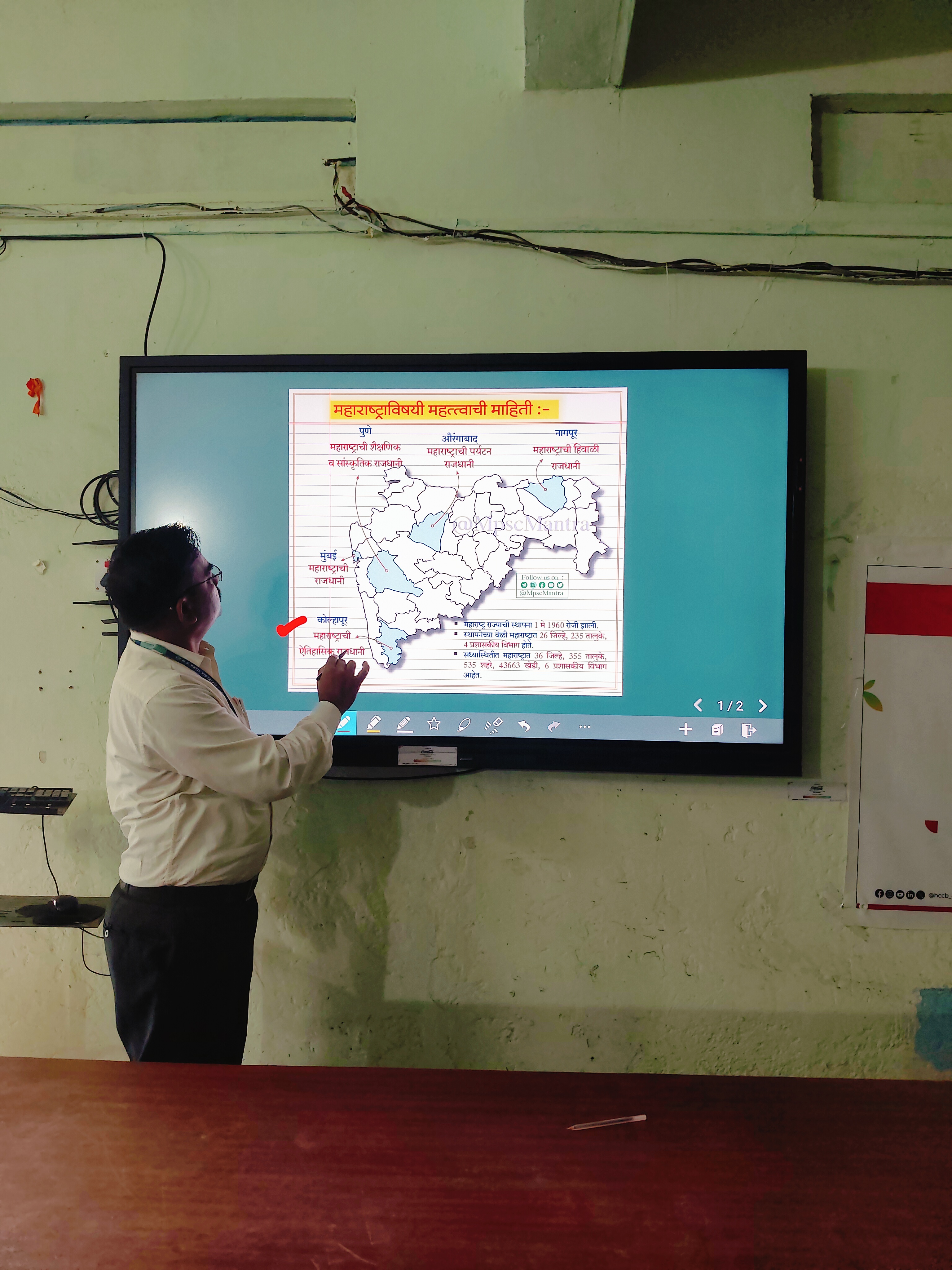
Building on this momentum, HCCB recently collaborated with the Y4D Foundation to install Digital Smartboards in 100 primary and high schools. This initiative, part of HCCB's CSR program, aims to enhance classroom learning through modern educational technology. By creating interactive and engaging learning environments, the program has already benefited approximately 15,000 students.
Embracing a digital future on World Computer Literacy Day
The future of digital literacy is promising, but continued investment in education, infrastructure, and policies is essential to ensure widespread participation. Governments, businesses, and non-profits must focus on reaching underserved communities to bridge the digital divide and ensure no one is left behind.
World Computer Literacy Day highlights the importance of digital education in building an inclusive society. As technology evolves, the need for digital literacy grows, requiring unified efforts from all sectors to invest in education and close the digital divide. By doing so, we empower individuals to drive lasting economic and social change. Now is the time to invest in digital skills because the future is digital, and it’s for everyone.

Comments