


Beverage Storage Best Practices: How to Preserve Quality from Plant to Shelf
Proper storage maintains flavour, guards against waste, and preserves trust throughout the supply chain.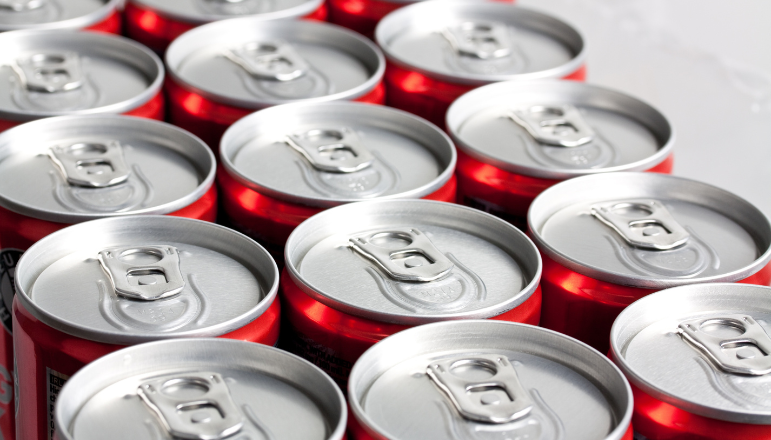
Storage shapes product integrity. It may seem like a background process, but it plays a critical role in determining whether a beverage tastes the way it should when opened. From the moment a drink is produced, how it is stored can influence its shelf life, flavour, carbonation, and safety.
Beverages move through multiple hands, such as warehouses, trucks, distribution centres, and retail shelves. Each step introduces a new set of risks if storage isn't properly managed. This is especially true for sensitive categories like dairy-based drinks, juices, and bottled water. Even sparkling beverages can lose carbonation when exposed to heat or pressure changes.
At HCCB, storage is a quality function, not just a logistics task. From cold drink storage protocols to digital systems that manage rotation and shelf life, we treat beverage preservation as a non-negotiable part of daily operations.
The Essentials of Beverage Storage
Every successful beverage storage system is built on a few fundamental principles:
- Right Storage Temperature: Each beverage has a recommended temperature range. Exceeding this range can impact taste, consistency, and safety.
- FIFO (First-In First-Out): Products that enter storage first should exit first. This prevents expiry and ensures freshness.
- Packaging Protection: Bottles and cartons should be stacked properly, away from heat sources, and never exposed to direct sunlight.
- Elevated Storage: Keeping beverages off the floor helps avoid contamination, moisture damage, and pest-related issues.
- No Chemical Proximity: Beverages should be stored away from strong-smelling or reactive materials that could compromise packaging or flavour.
These rules apply across all types of beverages and storage environments.
Storage Temperature Guidelines by Beverage Type

Best Practices at Each Stage of the Supply Chain
a. Warehousing and Storage Yards
Large-scale storage facilities are where most quality risks begin if not managed well. Here are the best practices to follow:
- Use clear, visible labels on each pallet showing batch numbers and expiry dates.
- Maintain adequate space between pallets for airflow.
- Designate separate zones for refrigerated, ambient, and heat-sensitive products.
- Conduct regular checks for cleanliness, pest activity, and equipment performance.
- Apply FIFO consistently using digital systems or manual checks.
b. Transport and Delivery
Once products leave the warehouse, they still need protection until they reach their destination:
- Load trucks in a sequence that supports stock rotation at the receiving end.
- Use insulated transport for cold chain items, especially dairy and chilled juices.
- Avoid placing beverages near vehicle heat sources or in direct sunlight.
- Plan efficient routes to reduce transit time and avoid prolonged exposure.
Proper handling during transit ensures beverages are delivered in their intended condition, ready for sale or display.
c. Retail Storage and Last-Mile Handling
Retailers and distributors often manage stock for longer than warehouses or transporters. Their role in beverage storage is critical:
- Train staff to stock older inventory in front and place new arrivals at the back.
- Monitor refrigerator temperature and cleanliness daily.
- Avoid storing beverages near cooking areas, windows, or heat-emitting appliances.
- Ensure display units allow for air circulation behind and around the products.
- Check expiry dates weekly and remove items nearing their limit.
Retail-level storage directly affects how the customer experiences the product. Every bottle must feel fresh, safe, and exactly as expected.
Digital Tools That Support Better Beverage Storage
Modern storage environments are supported by technology that makes manual errors less likely and product tracking more precise. Some key tools include:
- Warehouse Management Systems (WMS): Track incoming and outgoing stock, flag near-expiry products, and maintain inventory visibility.
- Barcode-Based FIFO Tracking: Allows easy selection of the oldest stock during picking or dispatch.
- Temperature Monitoring Systems: IoT sensors and digital loggers track cold storage performance in real time.
- Retailer Apps like CokeBuddy: Help retailers maintain regular order cycles so that storage times are shorter and more predictable.
These systems do not replace human vigilance. They support it, offering reminders, alerts, and more structured ways of working.
How Storage Discipline is Maintained at HCCB
At HCCB, storage is part of our broader commitment to quality and efficiency. We follow structured processes across all touchpoints:
- Our storage zones are temperature-defined and regularly monitored.
- Pallet handling follows standard layouts that support airflow and avoid pressure damage.
- We use digital dashboards to track FIFO performance and stock turnover.
- Cold chain standards are applied to sensitive products without exception.
- Retail partners receive training on stacking, expiry tracking, and cold drink storage.
This discipline ensures that what we produce is what our consumers receive, i.e, a safe and ready-to-enjoy beverage.
Storage Checklist: What Every Team Should Follow
For a beverage brand, consistency across locations is essential. This simple checklist supports that consistency:
- Always keep beverages on pallets, not on the ground.
- Avoid stacking products too high or too tightly.
- Maintain the correct storage temperature for every product type.
- Use clear batch and expiry labels.
- Follow FIFO across all dispatch and restocking activities.
- Clean chillers and storage units regularly.
- Leave space for airflow between products and walls.
- Protect beverages from sunlight and heat.
- Remove expired or compromised stock immediately.
This list applies across manufacturing units, distribution hubs, retail backrooms, and field coolers.
Why Storage Matters for Sustainability
Safe beverage storage is a good business practice that supports long-term environmental goals.
- Better storage reduces spoilage and unnecessary reprocessing.
- Fewer returns or damaged products mean lower emissions and packaging waste.
- Stable refrigeration uses energy efficiently and protects product value.
For large-scale beverage manufacturers, these savings add up. Less waste means less pressure on landfills and supply chains. Good storage makes business cleaner, leaner, and more responsible.
Storage Is Where Quality Holds Its Shape
A beverage’s journey is only successful if it arrives with the same taste, safety, and appeal it had at the point of production. Storage plays a crucial yet subtle role in ensuring this outcome.
At HCCB, we see beverage storage not as a back-end function but as part of our brand promise. Cold drink storage is monitored, shelf life is tracked, and every link in the chain is trained to care for what we produce. This approach helps us preserve not just beverages but also the trust that comes with them.

Comments